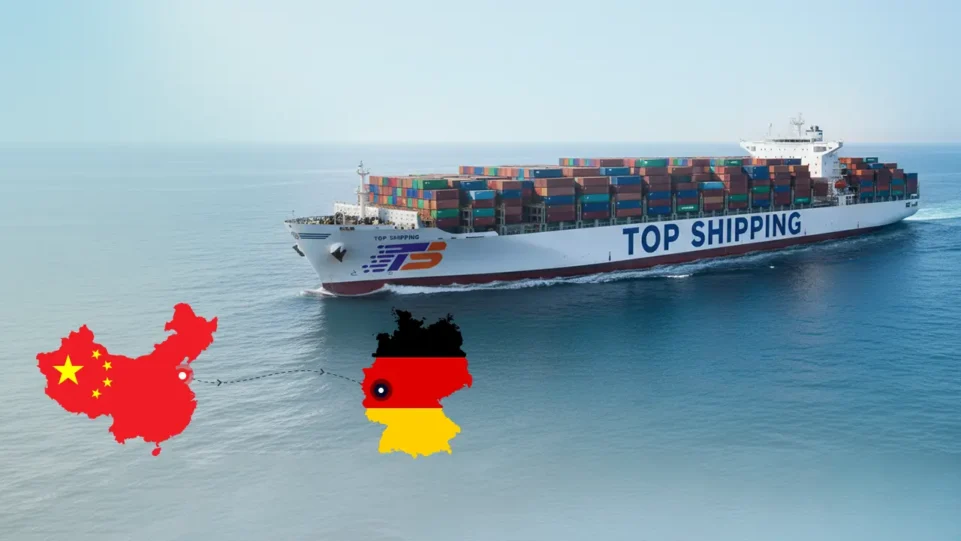
When managing high-volume imports from China to Germany, air freight costs can quickly eat into your margins. Sea freight offers a cost-effective alternative trading speed for savings that can reduce shipping expenses by 50% or more while maintaining reliable port-to-port delivery.
In this guide, we’ll cover everything you need about sea freight from China to Germany, including transit times, shipping costs, customs procedures, and route selection strategies. You can also check out our main guide, shipping from China to Germany, to better understand how sea freight fits into the overall shipping process.
Sea Freight from China to Germany: Cost and Transit Time Guide
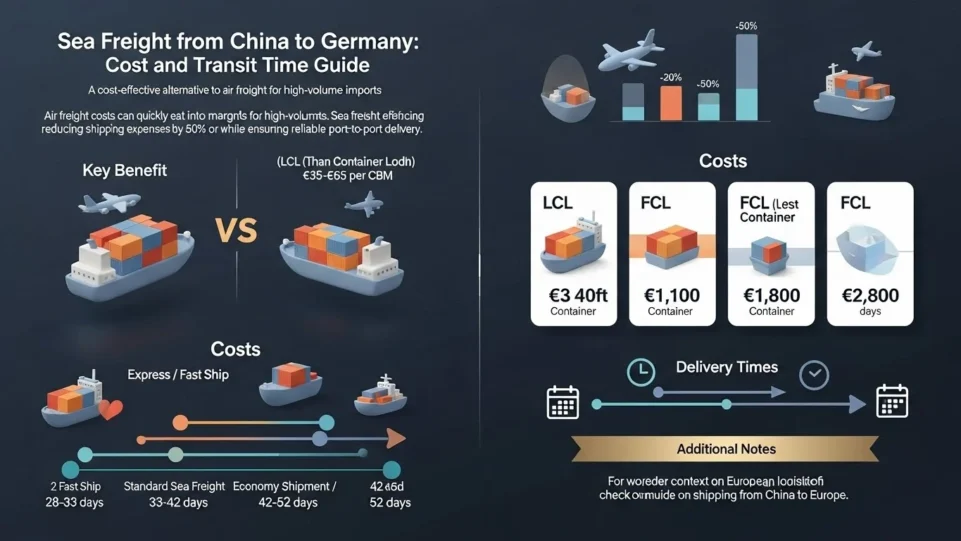
Here’s what you can typically expect for sea freight from China to Germany:
Costs:
- LCL (Less than Container Load): €35–€65 per CBM
- FCL 20ft Container: €1,100–€1,700
- FCL 40ft Container: €1,800–€2,800
Delivery Times:
- Express / Fast Ship Service: around 28–33 days
- Standard Sea Freight (Port-to-Port): 33–42 days
- Economy or Trans-shipment Route: 42–52 days
China to Germany Sea Freight Shipping Methods Overview
Sea freight isn’t one-size-fits-all. Here’s how different options compare for shipments from China to Germany:
| Shipping Option | Typical Cost (EUR) | Transit Time | Pros | Cons |
| FCL (Full Container Load) | €1,100–€1,700 (20ft) €1,800–€2,800 (40ft) | 28–42 days | Fast, secure, low per-unit cost for bulk shipments | Requires enough cargo to fill container; higher upfront cost |
| LCL (Less than Container Load) | €35–€65 per CBM | 33–52 days | Cost-effective for smaller shipments, flexible quantity | Longer transit; more handling during consolidation |
| Express / Door-to-Door Sea Freight | Varies; higher than standard LCL/FCL | 28–33 days | Convenient, full tracking, minimal hassle | Higher cost premium |
| Standard / Economy Sea Freight | €35–€65 per CBM (LCL) €1,100–€2,800 (FCL) | 33–52 days | Cheapest for bulk shipments | Longer lead time; inland delivery coordination needed |
FCL vs LCL: Choosing the Right Shipping Option
Understanding the difference between FCL and LCL is crucial for cost optimization:
- FCL (Full Container Load): You rent an entire container (20ft or 40ft). It’s faster, more secure, and cost-efficient for large volumes. Your goods travel alone, reducing handling and potential damage.
- LCL (Less than Container Load): Your cargo shares container space with other shipments. It’s more economical for small to medium batches but involves longer transit due to consolidation and deconsolidation processes.
Rule of thumb: If your goods fill more than half of a 20ft container, FCL makes financial sense. Otherwise, LCL is your better option.
Actual Transit Time for Sea Freight from China to Germany
On average, sea freight from China to Germany takes 33 to 42 days, depending on your port of origin, route selection, transshipments, customs clearance, and final delivery location in Germany.
| Stage | Estimated Timeframe | Key Takeaway |
| Ocean Transit | 30–40 Days | Actual sailing time on water |
| Origin Logistics (China) | 3–7 Days | Consolidation, customs clearance, port handling |
| Destination Logistics (Germany) | 3–5 Days | Unloading, German customs, final delivery (drayage) |
| Total Door-to-Door Time | Approx. 38–52 Days | Plan for 6-7 week lead time to be safe |
Factors Affecting Sea Freight Time from China to Germany
Several elements can impact your shipment’s arrival time in Germany:
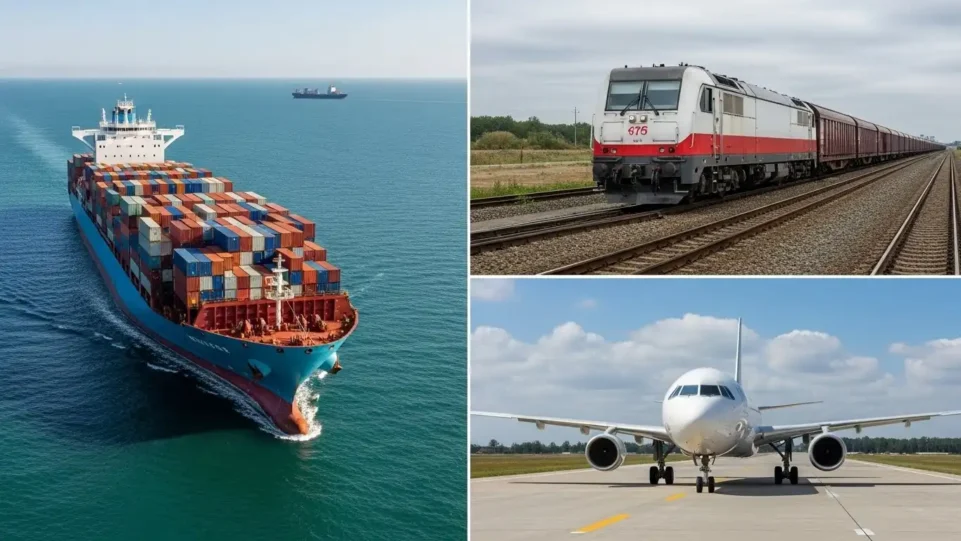
- Route selection: The Suez Canal route is standard and typically fastest, while alternative routes (like around the Cape of Good Hope) add 7-10 days.
- Port congestion: High traffic at major Chinese ports (Shanghai, Ningbo, Shenzhen) or German ports (Hamburg, Bremerhaven) can delay loading and unloading by several days.
- Weather conditions: Storms, particularly in the South China Sea and Bay of Biscay, can slow vessels or force rerouting.
- Transshipment: Indirect routes requiring container transfers at intermediate ports (like Singapore or Rotterdam) add handling time.
- Customs and documentation: Incomplete paperwork or German customs clearance issues can hold containers at destination ports.
- Shipping season: Peak periods like pre-Christmas, Chinese New Year, or summer holidays create high cargo volumes, resulting in longer wait times for vessel space.
The Cost of Sea Freight from China to Germany
For businesses dealing with large volumes, heavy items, or products where per-unit cost is critical (hardware, bulk retail goods, industrial equipment), sea freight is the most economical choice.
Once your shipment exceeds about 2 CBM (Cubic Meters) or involves heavy goods, sea freight becomes significantly more affordable than air freight.
For LCL (Less than Container Load) shipments:
Current LCL rates from major Chinese ports (Shenzhen, Shanghai, Ningbo, Qingdao) to German ports range from €35-€65 per CBM, varying by season and demand.
For FCL (Full Container Load) shipments:
If you have enough cargo to fill a container, FCL is almost always more cost-effective:
- 20ft container: €1,100–€1,700
- 40ft container: €1,800–€2,800
- 40ft High Cube: €1,900–€3,000
Keep in mind the “headline price” isn’t the complete cost. Real shipping expenses depend on:
- Container size (FCL vs LCL)
- Port charges and surcharges
- Customs duties and VAT
- Final delivery distance within Germany
- Peak season rates and fuel surcharges
Main Ocean Freight Routes from China to Germany
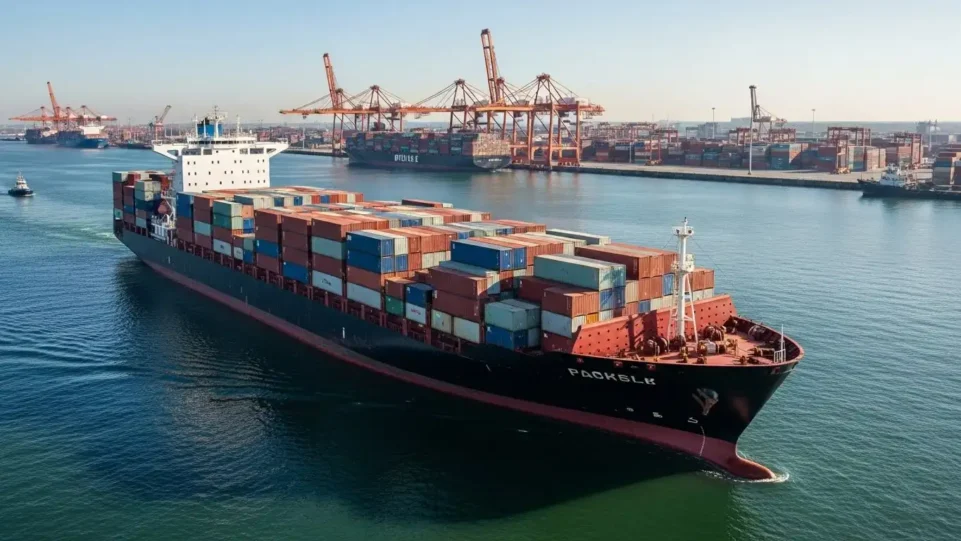
Most sea freight from China to Germany follows these primary routes:
| Route | Description | Transit Time | Pros | Cons | Main German Ports |
| Direct via Suez Canal | Container sails from Chinese ports (Shanghai, Shenzhen, Ningbo, Qingdao) → South China Sea → Indian Ocean → Suez Canal → Mediterranean → North Sea → Germany | Standard, fastest route | Most common; usually fastest and most reliable | Congestion or delays at Suez possible | Hamburg, Bremerhaven, Wilhelmshaven |
| Alternative via Cape of Good Hope | Container sails around southern tip of Africa instead of Suez Canal | +7–10 days compared to Suez | Can avoid Suez delays; sometimes cheaper during canal congestion | Significantly longer transit time | Hamburg, Bremerhaven |
| Via Rotterdam Transshipment | Container arrives at Rotterdam (Netherlands) then transferred for final leg to Germany | +2–5 days | Access to Europe’s largest port; good connectivity | Extra handling; potential for delays during transfer | Hamburg, Bremerhaven (via Rotterdam) |
China to Germany Shipping: Customs, VAT, Insurance, and Import Duties
Importing goods to Germany involves several costs and legal requirements beyond basic shipping fees:
| Item | What It Is | Typical Calculation / Notes | Tips for Importers |
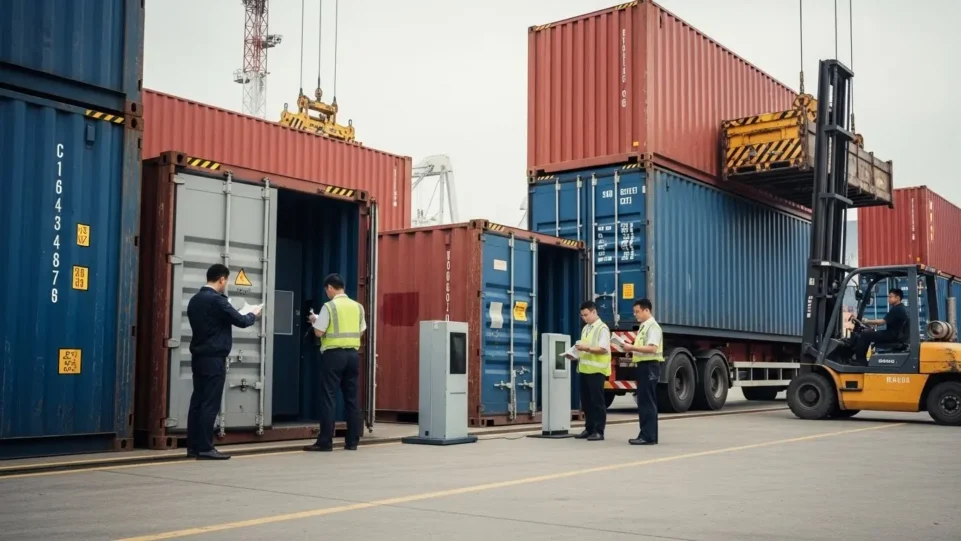
| Customs Clearance | Official process of declaring goods to German customs and obtaining release permission | Usually handled by freight forwarder; includes documentation fees | Ensure accurate invoices, packing lists, and HS codes to avoid delays |
| Import VAT (Einfuhrumsatzsteuer) | Value Added Tax on imported goods | Standard rate: 19% of (Cost of goods + Shipping + Insurance + Duty) | Can be reclaimed if you’re VAT-registered in Germany |
| Import Tax from China to Germany | Customs duty on imported goods | Varies by HS Code; typically 0-17% of goods value | Check TARIC database before importing for accurate duty rates |
| Insurance | Protects cargo against loss, damage, or theft during transport | Usually 0.5–2% of cargo value depending on coverage | Always insure high-value shipments; arrangeable via forwarder |
| Customs Duty (Zoll) | Government tax on certain imported goods | Depends on HS Code, value, and origin; some items may be 0% | Check EU Trade Tariff; some goods have preferential rates |
Incoterms Guide for Sea Freight (China to Germany)
Choosing the right Incoterm defines your responsibilities and costs clearly:
| Incoterm | Seller Responsibility | Buyer Responsibility | Typical Use Case |
| FOB (Free on Board) | Delivery to Chinese port, loading on vessel | Sea shipping, insurance, import clearance, inland delivery in Germany | Common for FCL/LCL when buyer wants control over shipping |
| CIF (Cost, Insurance, Freight) | Shipping and insurance to German port | Import clearance and inland delivery | Useful when buyer wants seller to manage sea transport and insurance |
| DDP (Delivered Duty Paid) | Complete responsibility: shipping, insurance, customs duties, delivery to German warehouse | Minimal just receive the goods | Ideal for small businesses or first-time importers wanting hassle-free solutions |
Tracking Your Sea Freight Shipment from China to Germany in Real-Time
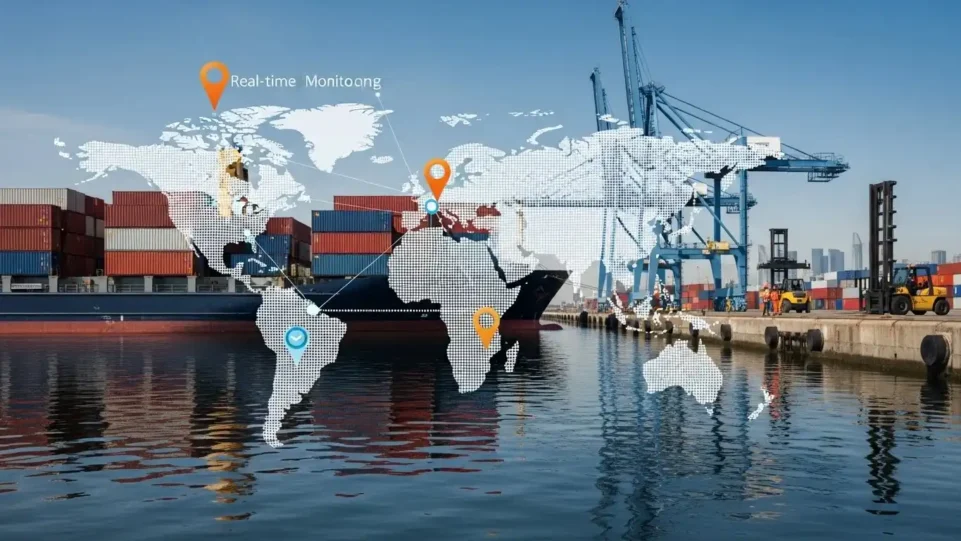
Remember when sea freight felt like sending your cargo into a black hole and just hoping it showed up? Those days are over. With modern digital logistics, tracking your ocean shipment from a Chinese port to its final destination in Germany is nearly as transparent as tracking a large courier package.
Full visibility means you can effectively manage your inventory, plan warehousing, and coordinate final delivery (drayage) to your German warehouse with precision.
The Key to Tracking: Your Shipment Number
The entire process hinges on two primary reference numbers, which your freight forwarder will provide once your goods are booked and loaded onto the vessel:
- Bill of Lading (B/L) Number: This is the legal document and primary tracking reference for LCL (Less than Container Load) shipments. It is used to trace the entire shipment from origin to destination.
- Container Number: For FCL (Full Container Load) shipments, you receive a unique 4-letter and 7-digit container ID (e.g., ZIMU1234567). This allows you to track the exact movements of the physical box.
What Real-Time Tracking Tells You
Modern tracking systems leverage data from the shipping lines (like Maersk, MSC, or ZIM), port authorities, and the Automated Identification System (AIS) used by vessels. You will receive proactive updates at crucial milestones, allowing you to monitor the entire journey:
- Departure Notification: Confirmation that the container has been loaded and the vessel has officially left the Chinese port (e.g., Shanghai, Ningbo, or Yantian).
- Transshipment Stops: If the vessel changes routes or stops at an intermediate port (e.g., in Singapore or the Mediterranean), the system logs the arrival and departure times.
- Vessel Location: The geographical position of the vessel on the water, often visible on a global map.
- Estimated Arrival at German Port (ETA): The crucial update detailing the expected docking time at the destination port (Hamburg or Bremerhaven).
- Customs Clearance Status: Updates when the goods are formally submitted to and released by German/EU customs.
Tracking System Options
You typically have two main methods for tracking:
- Freight Forwarder’s Portal: The most convenient method. Reputable forwarders provide a centralized online platform where you enter your B/L or Container number and see consolidated information, often including estimated final delivery to your warehouse.
- Carrier Websites: You can also track directly through the websites of the major shipping lines (e.g., MSC, Maersk) using your Container or B/L number, though this usually only covers the port-to-port journey.
Crucial Tip: If there are any delays whether due to weather, port congestion, or customs queries a quality freight forwarder will notify you proactively, ensuring you hear about the issue immediately, not weeks later.
China to Germany: Selecting the Best Sea Freight Service Provider
The right sea freight partner makes the difference between smooth delivery and costly headaches. Here’s how to choose:
- Compare multiple freight forwarders: Get quotes from several providers comparing price, transit times, customer service, and included services (customs clearance, door delivery).
- Check experience with China–Germany routes: Forwarders familiar with Chinese ports (Shanghai, Shenzhen) and German ports (Hamburg, Bremerhaven) handle route-specific paperwork and logistics more efficiently.
- Evaluate transparency and communication: Choose companies offering clear cost breakdowns, real-time tracking systems, and proactive updates throughout shipment.
- Ask about insurance and liability coverage: Reliable partners help secure cargo insurance and clarify responsibility if goods are lost or damaged.
- Review customer feedback and reliability: Check reviews, testimonials, and industry reputation to ensure safe, on-time delivery.
- Look for flexible shipping options: Some forwarders offer LCL, FCL, and multimodal combinations (sea + rail) that may better fit your timing and budget.

Bottom Line: Making Sea Freight from China to Germany Work for Your Business
Sea freight from China to Germany remains the most cost-effective solution for businesses importing bulk goods, heavy machinery, or high-volume inventory. With transit times of 33-45 days door-to-door and costs up to 70% lower than air freight, it’s the backbone of sustainable international supply chains.
The key to success is planning ahead. Factor in the 6-7 week lead time, understand your total landed costs (including VAT and customs duties), and choose between FCL and LCL based on your cargo volume. If you’re shipping more than 15 CBM regularly, FCL almost always delivers better value. For smaller, more frequent shipments, LCL offers the flexibility you need without tying up capital in excess inventory.
Work with an experienced freight forwarder who knows both Chinese and German ports, offers transparent pricing, and provides real-time tracking. The right partner won’t just move your containers they’ll help you navigate customs clearance, optimize your shipping schedule, and avoid costly delays.
Whether you’re an Amazon FBA seller shipping your first container to a German fulfillment center or an established importer managing regular bulk shipments, understanding the fundamentals of sea freight will help you control costs, maintain inventory flow, and build a reliable supply chain that supports your business growth.
FAQ: Sea Freight from China to Germany
How much does it cost to ship from China to Germany?
The cost depends on your cargo volume and chosen service (FCL or LCL):
- LCL (Less than Container Load): You pay per cubic meter (CBM). Prices typically range from €35 to €65 per CBM for base ocean freight, plus origin/destination fees and local charges. This is the most economical method for smaller commercial shipments (under 15 CBM).
- FCL (Full Container Load): You pay a fixed price per container. Rates fluctuate with market conditions, but base freight costs generally range from €1,100–€1,700 for a 20-foot container and €1,800–€2,800 for a 40-foot container.
How long does it take to ship from China to Germany?
Budget 33 to 45 days for the complete door-to-door process, breaking down roughly as:
- Origin Logistics (Pickup/Loading): 3-7 days
- Vessel Voyage (Port-to-Port): 30-40 days
- Destination Logistics (Customs/Delivery): 3-7 days
How much does sea freight cost from China?
Sea freight costs from China vary significantly based on destination, container type, and market conditions. For Germany specifically:
- LCL shipments: €35-€65 per CBM
- 20ft FCL: €1,100-€1,700
- 40ft FCL: €1,800-€2,800
Total door-to-door costs include additional charges like terminal handling, documentation, customs clearance, and inland trucking to your final German destination.
What is the import tax from China to Germany?
Import tax (customs duty) from China to Germany varies by product type and is determined by the HS (Harmonized System) code. Rates typically range from 0% to 17% of the goods’ value. Additionally, you must pay 19% import VAT (Einfuhrumsatzsteuer) calculated on the total of goods value + shipping + insurance + duty. VAT-registered businesses in Germany can reclaim this VAT. Check the EU TARIC database for specific duty rates for your products.
How long does sea freight take from China?
For the China-to-Germany route specifically, sea freight typically takes 30-40 days for port-to-port transit, with total door-to-door delivery requiring 38-52 days including origin and destination logistics.
Can I track my sea freight from China to Germany?
Yes. Once your shipment loads and departs, you receive either a Bill of Lading (B/L) number for LCL shipments or a container number for FCL shipments. Professional forwarders provide platform access to track vessel milestones (departure, transshipment stops, arrival at German ports) in near real-time.
What shipping routes do vessels take from China to Germany?
The main commercial route from China to Germany is the Suez Canal Route:
- Vessels depart major Chinese ports (Shanghai, Ningbo, Shenzhen/Yantian, Qingdao)
- Sail through the Strait of Malacca
- Cross the Indian Ocean and transit the Suez Canal
- Sail through the Mediterranean Sea
- Pass through the Strait of Gibraltar
- Cross the North Sea to reach German ports (Hamburg, Bremerhaven, Wilhelmshaven)
Alternative routes via the Cape of Good Hope are sometimes used during Suez Canal congestion but add 7-10 days to transit time.