Rail freight from China to Canada has become an increasingly popular option for businesses looking for a balance between cost, speed, and reliability. Compared to sea shipping, rail transport offers significantly faster transit times while still being far more affordable than air freight. This method is ideal for medium to large shipments especially for goods that are not extremely time-sensitive but still require timely and secure delivery. With growing trade and expanding logistics routes, shipping from China to Canada is becoming more efficient, and rail freight is emerging as one of the most dependable solutions in this corridor.
Stay with us as we explore the advantages, costs, transit times, and practical tips for making the most of rail freight from China to Canada. This guide will help you make informed decisions and choose the best shipping method for your business needs.
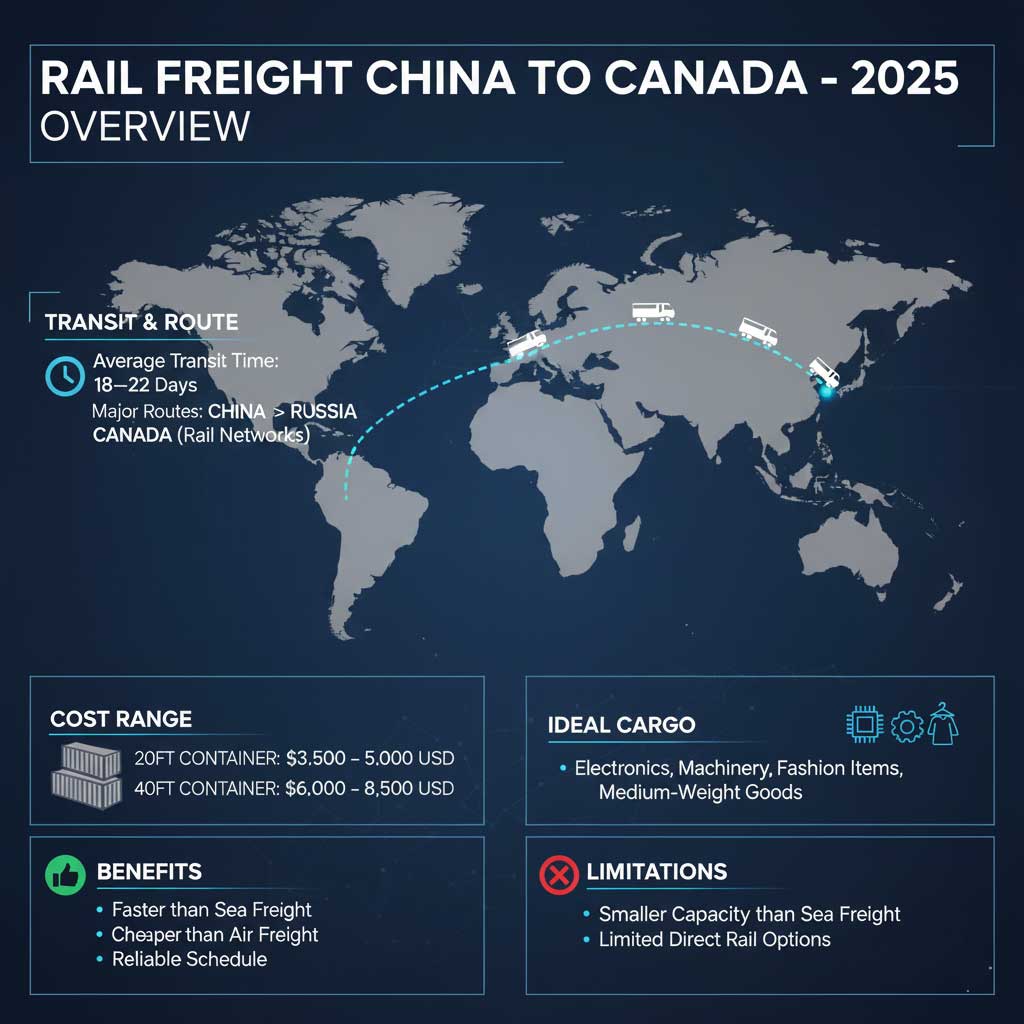
Rail Freight from China to canada – 2025 Cost & Transit Time Overview
- Average Transit Time: 18–22 days
- Major Routes: China → Russia → Canada (via rail networks)
- Cost Range (per 20ft container): $3,500 – $5,000 USD
- Cost Range (per 40ft container): $6,000 – $8,500 USD
- Ideal Cargo: Electronics, machinery, fashion items, medium weight goods
- Benefits: Faster than sea freight, cheaper than air freight, reliable schedule
- Limitations: Smaller capacity than sea freight, limited direct rail options
Why Choose Rail Freight Over Air and Sea Shipping
Rail freight offers a balanced solution between speed and cost. Compared to air freight, it is much more affordable, making it ideal for larger shipments that do not require immediate delivery. At the same time, rail is faster than sea freight, reducing transit times from several weeks to just a few days. Additionally, rail transport provides a reliable schedule and lower environmental impact, making it a sustainable and practical choice for many businesses.
Ideal Cargo Types for Rail Transport
Rail freight is best suited for goods that are medium to high in value, moderately time sensitive, and require secure handling. Common examples include electronics, machinery, automotive parts, fashion and apparel, and industrial equipment. While rail is not suitable for extremely urgent shipments, it is an excellent option for bulky or heavy goods that are too costly to send by air but need faster delivery than sea freight.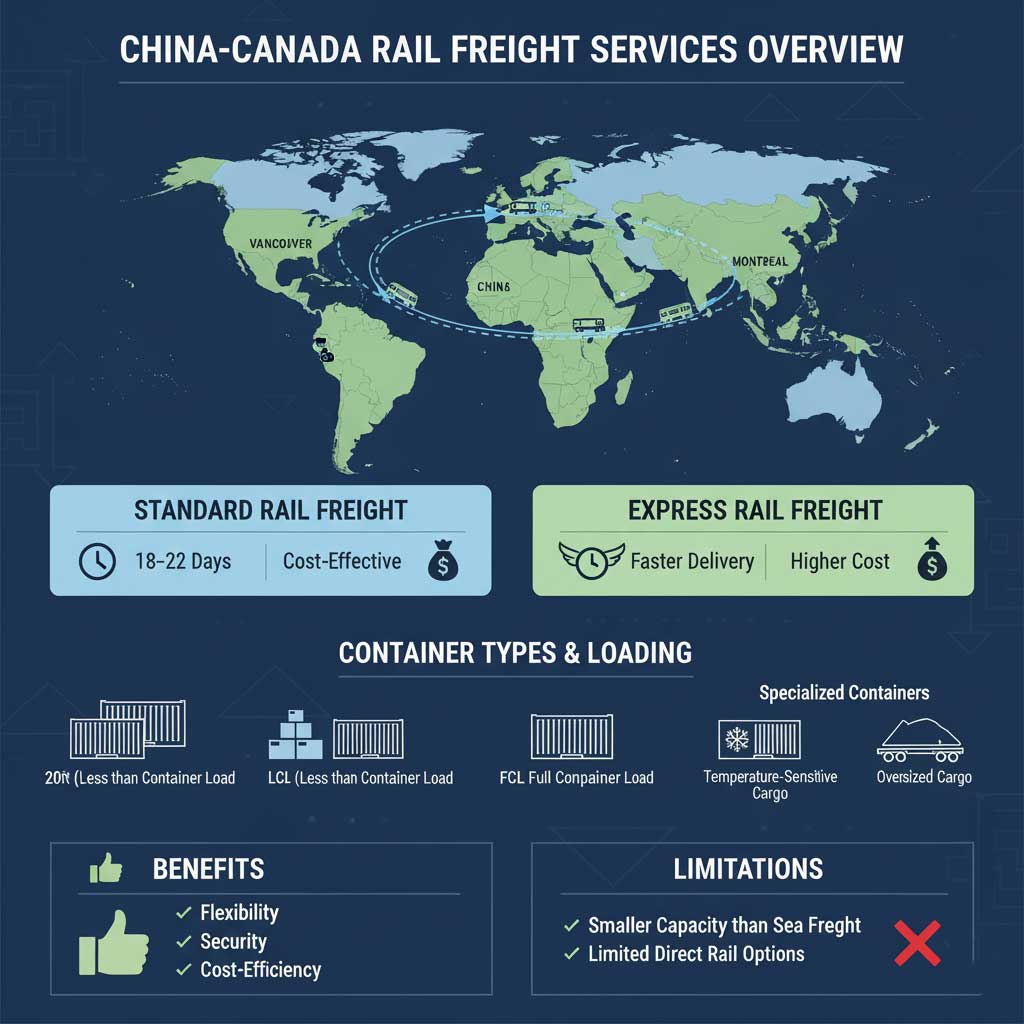
China to Canada Rail Freight Services and Shipping Options
Rail freight from China to Canada offers flexible services and shipping options to suit different business needs. Whether you prioritize cost efficiency or faster delivery, rail transport provides a variety of solutions to move your cargo securely across long distances.
Standard vs Express Rail Freight Services
Standard rail freight is the most cost effective option for shipments that do not require urgent delivery. It offers reliable schedules and is suitable for most goods, with transit times typically ranging from 18 to 22 days. Express rail freight, on the other hand, is designed for time sensitive cargo. It moves faster than standard services, reducing transit time by a few days, but usually comes at a higher cost. Businesses can choose between these options depending on their budget and delivery urgency.
Container Sizes and Loading Options
Rail freight accommodates common container sizes, including 20ft and 40ft containers, as well as specialized containers for oversized or temperature sensitive cargo. Shippers can also opt for full container loads (FCL) or less than container loads (LCL), depending on the volume of goods. Proper loading and packaging ensure cargo safety and help avoid delays or additional costs during transit.
Rail Freight Transit Time from China to Canada
Transit time is a crucial factor when selecting rail freight. Knowing the main routes and the elements that can influence delivery helps businesses plan shipments more effectively. The table below provides a detailed overview of the major rail routes from China to Canada and their estimated transit times.
| Route | Origin City (China) | Destination City (Canada) | Estimated Transit Time |
|---|---|---|---|
| Trans Siberian Route | Beijing | Toronto | 18–20 days |
| Trans Siberian Route | Shanghai | Vancouver | 19–22 days |
| Northern Route via Mongolia | Shenyang | Montreal | 20–23 days |
| Alternative Southern Route | Guangzhou | Toronto | 21–24 days |
Major Rail Routes and Their Duration
The main rail route from China to Canada typically passes through Russia and connects to North America via the Trans Siberian Railway and cross border rail networks. Transit time usually ranges from 18 to 22 days, depending on the specific origin and destination cities. Some alternative routes may involve multiple transfers, which can slightly extend the journey.
Factors Affecting Transit Time
Several factors can influence transit times for rail freight:
- Origin and destination locations: Remote cities may require additional transit time.
- Customs clearance and documentation: Delays can occur if paperwork is incomplete.
- Seasonal demand: Peak shipping periods may slow schedules.
- Weather and infrastructure: Snow, extreme cold, or rail maintenance can affect delivery.
By understanding these factors, shippers can better estimate delivery times and avoid unexpected delays.
Complete Rail Freight Cost from China to Canada
Understanding the cost of rail freight is essential for effective shipment planning and budget management. Rail freight offers a competitive pricing structure, positioned between air and sea transport, making it an attractive choice for many businesses. The table below provides a detailed overview of estimated costs for different container sizes and shipping options from China to Canada.
| Container Size | Estimated Cost (USD) | Notes |
|---|---|---|
| 20ft Container | $3,500 – $5,000 | Suitable for small to medium shipments |
| 40ft Container | $6,000 – $8,500 | Ideal for larger shipments and heavier cargo |
| LCL (Less than Container Load) | Varies by volume | Good for smaller shipments; pay only for used space |
How Rail Freight Costs Compare to Air and Sea Freight
| Shipping Method | Average Cost (USD per 20ft Container) | Transit Time | Best For |
|---|---|---|---|
| Air Freight | $8,000 – $12,000 | 3–7 days | Urgent, high value, or small shipments |
| Rail Freight | $3,500 – $5,000 | 18–22 days | Medium to large shipments, cost effective and faster than sea |
| Sea Freight | $2,000 – $3,500 | 30–45 days | Large or heavy shipments, cost priority |
Rail freight is generally cheaper than air freight but more expensive than sea freight. While air freight offers the fastest delivery, its high cost makes it suitable mainly for urgent or high-value shipments. Sea freight, on the other hand, is the most cost effective for large or heavy shipments, but transit times can be much longer. Rail freight strikes a balance, providing a reasonable cost with faster delivery than sea transport.
Tips to Reduce Rail Shipping Costs
Choose the right container size: Avoid partially filled containers to reduce unnecessary expenses.
- Plan shipments in advance: Early booking can secure better rates.
- Consolidate shipments: Combine smaller shipments into one container to save money.
- Work with experienced freight forwarders: They can help optimize routes, handle documentation, and negotiate competitive rates.
- Avoid peak seasons if possible: Shipping during off peak times can lower costs.
By applying these strategies, businesses can maximize the efficiency of rail freight while minimizing expenses.
Incoterms Impact on Delivery Time and Cost (China–Canada Rail Freight)
Incoterms play a crucial role in international shipping, defining the responsibilities, costs, and risks for buyers and sellers. Understanding which Incoterms apply to rail freight from China to Canada can help businesses avoid misunderstandings, control costs, and plan delivery schedules more accurately.
Commonly Used Incoterms for Rail Freight
The most commonly used Incoterms for China – Canada rail shipments include:
- FOB (Free on Board): The seller delivers goods to the rail terminal in China; the buyer assumes responsibility and costs from that point.
- CFR (Cost and Freight): The seller arranges transport to the Canadian destination and pays for shipping, while the buyer handles import duties and customs.
- CIF (Cost, Insurance, and Freight): Similar to CFR, but the seller also covers insurance during transit.
- DAP (Delivered at Place): The seller is responsible for delivering goods to the buyer’s specified location, covering all transport costs, but not import duties.
How Incoterms Affect Responsibility and Pricing
Incoterms directly impact:
- Cost allocation: Who pays for shipping, insurance, and customs clearance.
- Risk transfer: When responsibility shifts from seller to buyer.
- Delivery planning: Transit times can be affected if the seller or buyer handles different stages of transportation.
Choosing the right Incoterm ensures that both parties understand their obligations, reduces the risk of disputes, and allows accurate budgeting for rail freight shipments from China to Canada.
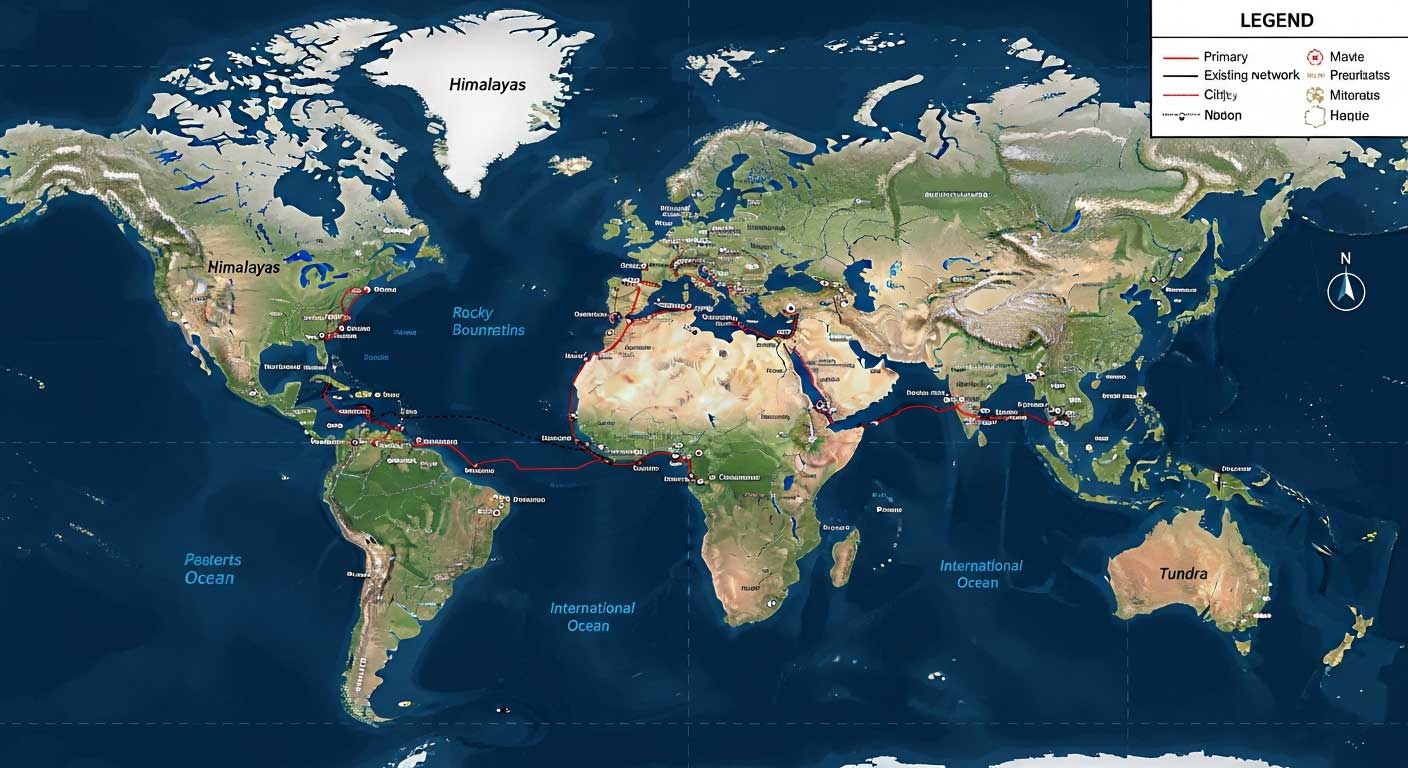
Rail Freight Route from China to Canada: Key Hubs and Path Overview
Understanding the main route and key hubs of rail freight from China to Canada helps businesses plan shipments efficiently and anticipate potential transit challenges. Rail shipments typically pass through several countries and logistical checkpoints before reaching Canadian destinations.
Main Transit Countries and Checkpoints
The primary rail route from China to Canada passes through:
- China: Origin cities such as Beijing, Shanghai, Guangzhou, and Shenyang.
- Russia: The Trans Siberian Railway is a major corridor for cargo transit.
- Mongolia (alternative northern route): Used for certain northern origins to optimize transit time.
- Canada: Entry points such as Vancouver, Toronto, and Montreal, where customs clearance occurs.
Logistics Hubs and Connection Points
Major logistics hubs and connection points facilitate smooth rail freight operations:
- Chinese Rail Terminals: Centralized hubs in major cities handle loading and consolidation.
- Russian Rail Yards: Important for transshipment and customs inspections.
- Canadian Ports and Rail Terminals: Final delivery points where cargo is transferred to local distribution networks.
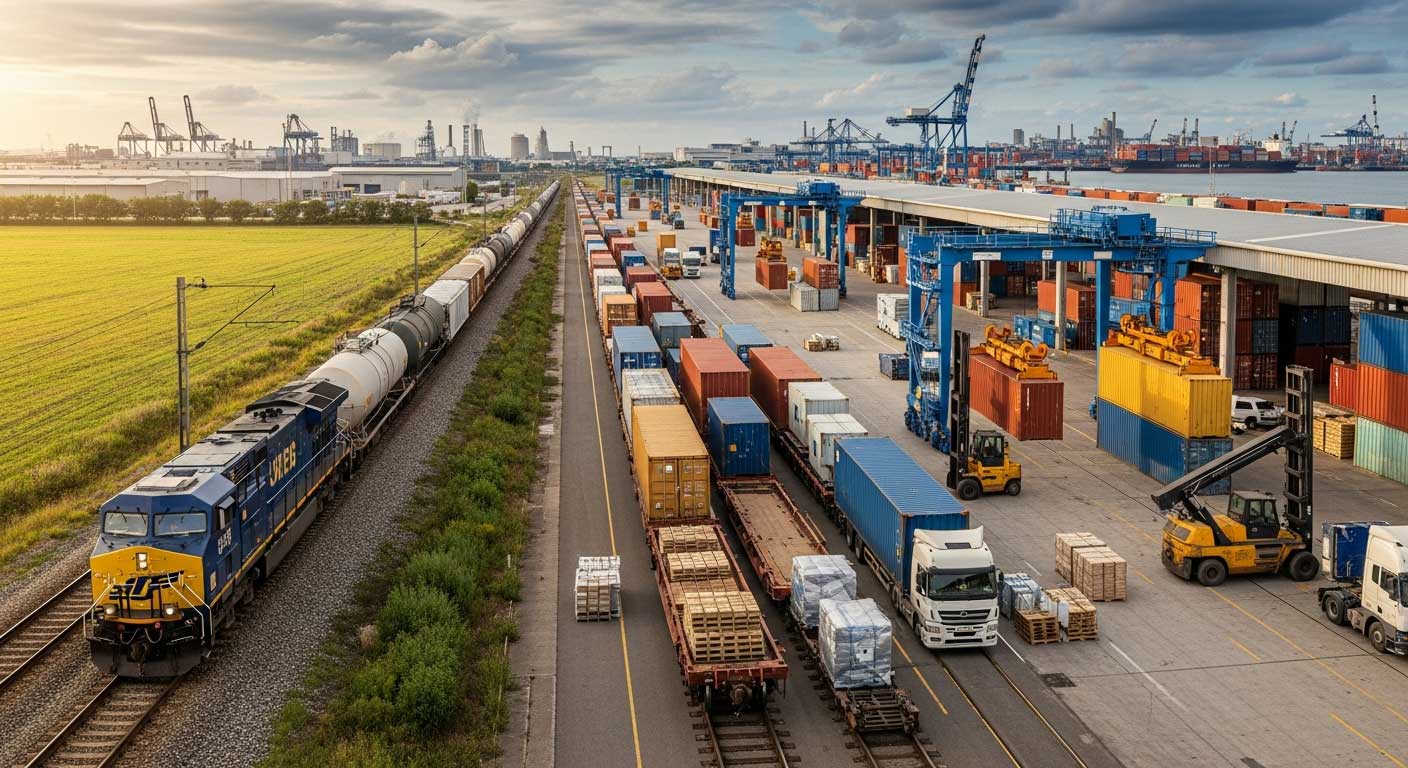
Rail Freight Shipping Process
Understanding the shipping process is essential for smooth rail freight operations from China to Canada. Knowing the steps involved—from booking to customs clearance—helps businesses avoid delays, reduce costs, and ensure timely delivery.
Booking and Documentation Requirements
Before shipping, businesses must complete the booking process and prepare all necessary documents, including:
- Bill of Lading (B/L): Official proof of shipment.
- Commercial Invoice: Lists goods, value, and transaction details.
- Packing List: Provides weight, dimensions, and packaging information.
- Export/Import Licenses: Required for certain regulated goods.
Accurate documentation ensures compliance with regulations and prevents shipment delays.
Customs Clearance and Regulations
Customs clearance is a critical step in international rail freight. Key points include:
- Pre-Clearance: Some shipments can be pre cleared before arrival to speed up delivery.
- Duties and Taxes: Import duties and taxes vary depending on the type and value of goods.
- Inspection Requirements: Cargo may be inspected for safety, quality, and compliance with regulations.
Working with experienced freight forwarders can simplify customs procedures, reduce risks, and ensure that shipments move smoothly through all checkpoints.
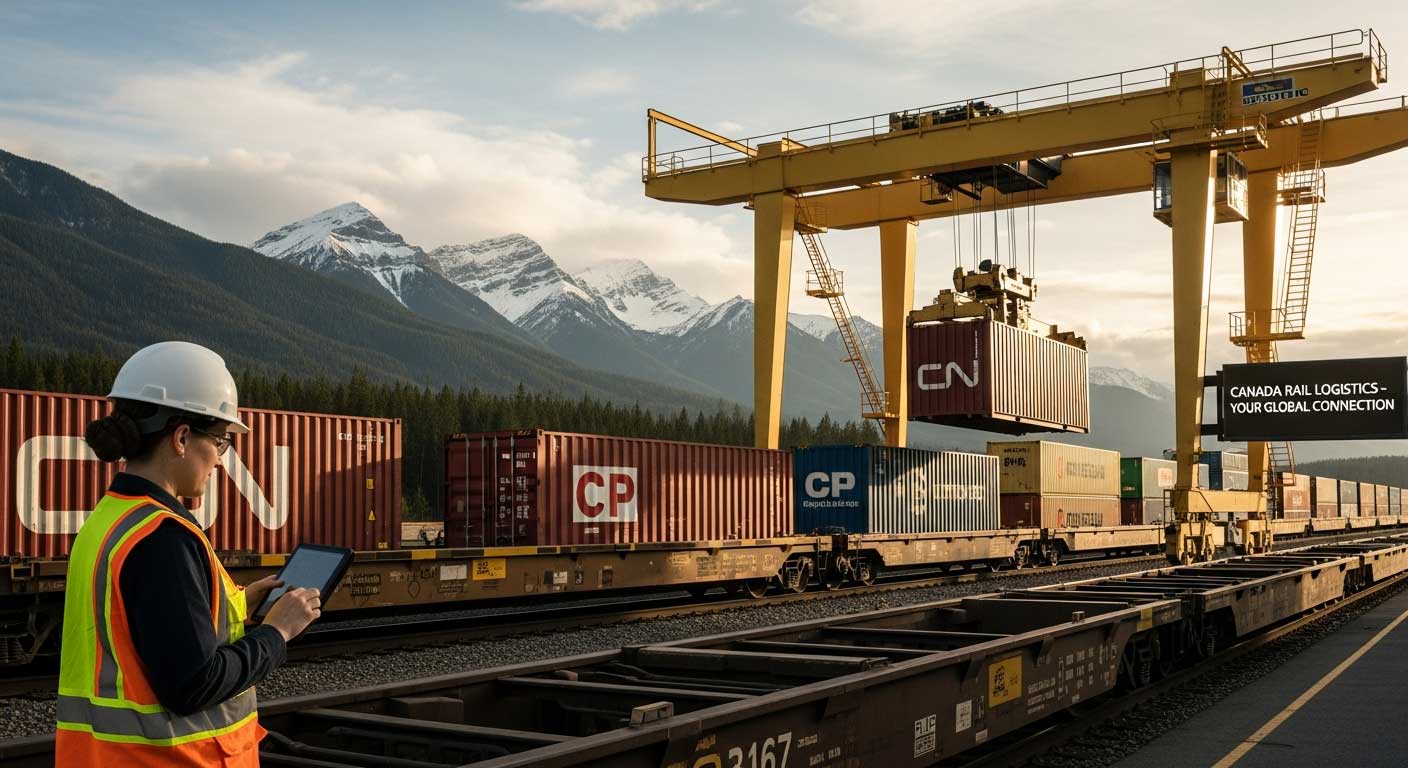
Choosing the Right Freight Forwarder for Rail Shipping
Selecting a reliable freight forwarder is critical for successful rail freight shipments from China to Canada. A professional forwarder ensures smooth booking, documentation, customs clearance, and delivery, helping businesses avoid delays and unexpected costs.
Services Offered by Top Freight Forwarders
Top freight forwarders typically provide a wide range of services, including:
- Booking and scheduling rail shipments.
- Handling all necessary documentation and compliance requirements.
- Customs clearance and duties management.
- Cargo insurance and risk management.
- Tracking and real time shipment updates.
Companies like Topshipping specialize in cost effective and reliable rail freight solutions. They assist with logistics planning, paperwork, and safe transport, ensuring your goods reach Canada on time and in perfect condition.
How to Ensure Safe and Timely Delivery
To guarantee secure and punctual delivery:
- Choose a forwarder with proven experience in China Canada rail freight.
- Ensure proper packaging and loading of goods.
- Maintain clear communication with your freight forwarder.
- Track shipments regularly and stay informed about any potential delays.
- Use a trusted service provider like Topshipping, which combines competitive rates with comprehensive support for all shipping needs.
Working with an expert forwarder like Topshipping ensures your rail freight journey is smooth, reliable, and stress-free.
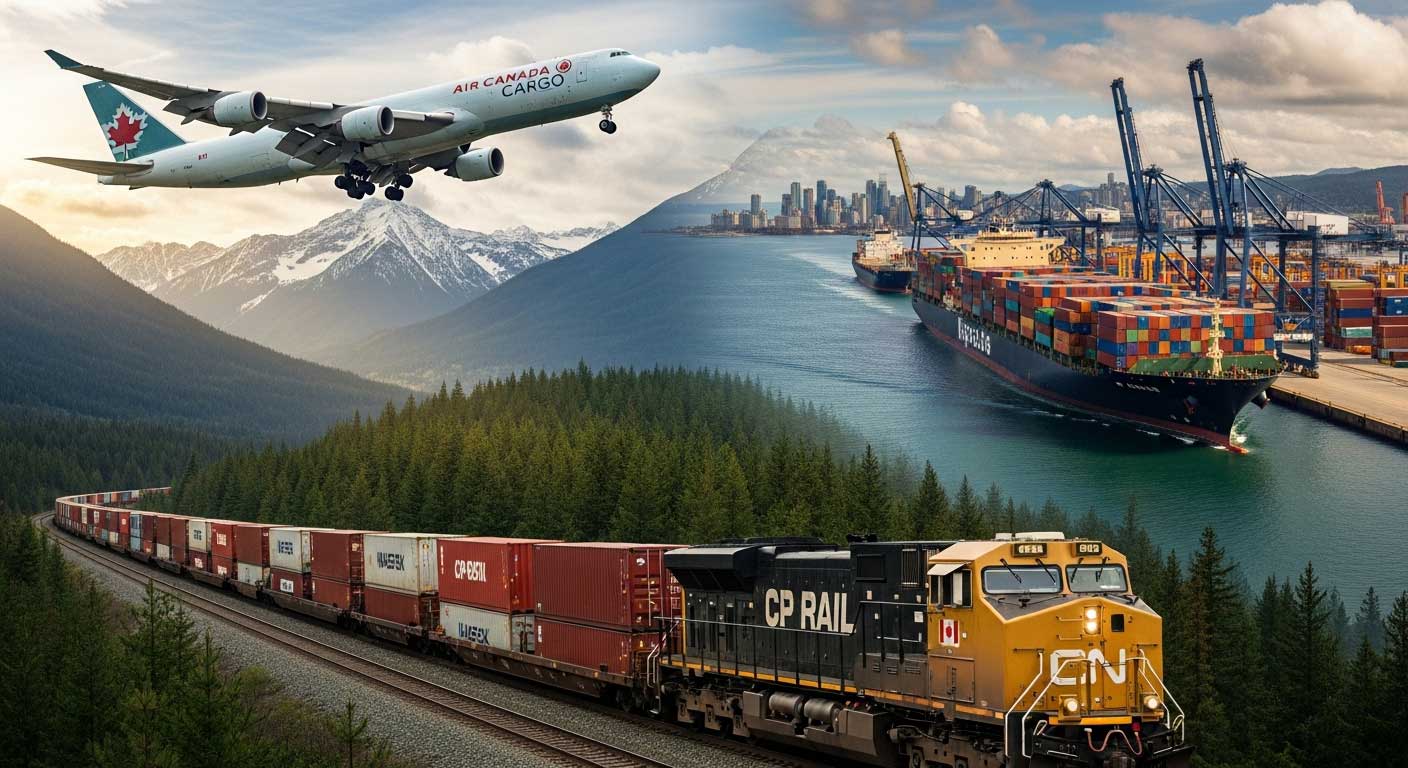
Rail Freight vs Other Shipping Methods
Choosing the right shipping method is essential for balancing cost, speed, and reliability.
Rail freight sits between air and sea freight, offering a practical solution for many businesses shipping from China to Canada.
Air Freight vs Rail Freight
Air freight is the fastest shipping option, making it ideal for urgent, high value, or time sensitive cargo. However, it is also the most expensive method.
Rail freight, while slower than air, provides significantly lower costs and a more environmentally friendly alternative. With transit times around 18–22 days, rail freight offers a good balance for businesses that need faster delivery than sea freight but want to avoid the high costs of air transport.
Sea Freight vs Rail Freight
Sea freight is the most cost effective method, especially for large or heavy shipments. However, it often requires 30–45 days or more for delivery, making it less suitable for time sensitive cargo.
Rail freight, though slightly more expensive than sea shipping, cuts transit time nearly in half. It also provides more reliable schedules and fewer disruptions, making it a strong option for companies seeking a balance between affordability and speed.
Finding The Best Rail Freight Service (China–Canada)
Choosing the best rail freight service between China and Canada requires evaluating several key factors to ensure efficiency, cost control, and reliability. Start by comparing transit times, pricing, and service coverage offered by different providers. Look for freight forwarders with proven experience in China & Canada rail logistics, strong customer support, and transparent communication.
Pay attention to additional services such as customs clearance, cargo insurance, documentation handling, and real-time tracking these can significantly improve the safety and speed of your shipment. Companies like Topshipping provide comprehensive rail freight solutions, helping businesses ship goods efficiently with optimized costs and reliable delivery schedules.
Final Thoughts: Is Rail Freight the Best Option for Your Cargo?
Rail freight from China to Canada has become one of the most balanced shipping solutions for businesses seeking a mix of speed, cost efficiency, and reliability. With faster transit times than sea freight and significantly lower costs than air freight, rail offers an ideal middle ground for medium to large shipments. It also provides stable schedules, environmental benefits, and flexible shipping options, making it a strong choice for many industries.
However, the best option always depends on your priorities whether you value speed, budget, cargo type, or delivery deadlines. For most importers, rail freight is an excellent solution that delivers predictable performance and competitive pricing.
If you need expert guidance, companies like Topshipping can help you choose the most suitable method and manage your shipment smoothly from China to Canada.
FAQ Rail freight to canada
How long does rail freight take from China to Canada?
Rail freight from China to Canada typically takes 18 to 25 days, depending on the route, customs processing, and final destination.
Is rail freight cheaper than air shipping from China to Canada?
Yes. Rail freight is significantly cheaper than air freight, making it a great option for medium to large shipments that are not extremely urgent but still require timely delivery.
What types of cargo are suitable for rail freight?
Rail freight is ideal for electronics, home appliances, machinery, auto parts, textiles, furniture, and most general goods. Only extremely urgent, oversized, or hazardous cargo may require a different shipping method.
Is rail freight reliable for shipments from China to Canada?
Yes. Rail routes between China and North America are well-developed, offering stable transit times, secure handling, and high tracking accuracy throughout the journey.
Can I track my rail shipment from China to Canada?
Absolutely. Rail freight offers real-time tracking, allowing businesses to monitor their cargo at every stage of transit.
What is the weight or size limit for rail freight?
Rail freight can handle heavy and large shipments, similar to sea freight. However, very oversized cargo may require special approval or alternative transport.
Is customs clearance included in rail freight services?
Most freight forwarders offer full customs clearance support, ensuring your cargo meets all import regulations before entering Canada.
What are the main rail routes used between China and Canada?
The primary rail routes from China to Canada follow the well-established Eurasian rail network before connecting to North American rail lines. Most shipments start in major Chinese logistics hubs such as Xi’an, Chongqing, Chengdu, Zhengzhou, or Shenzhen, moving westward through Kazakhstan and entering Russia, where cargo travels across the Trans-Siberian Railway.
From Russia, containers often transit through Europe via Belarus and Poland before reaching major ocean ports such as Rotterdam, Hamburg, or Gdańsk. From these European ports, shipments are transported by container vessels across the Atlantic to Canada, arriving at ports like Vancouver, Prince Rupert, or Toronto. In Canada, domestic rail carriers such as CN Rail and CPKC handle the final inland delivery.
These routes effectively combine Eurasian rail corridors with Atlantic ocean shipping, offering a faster alternative to full sea freight while maintaining more reliable schedules than air cargo for medium-urgent shipments. This also highlights the importance of shipping from China to Europe as an integrated step in the China to Canada rail freight process.