Introduction
Importing goods from China to the United States can open up huge opportunities for businesses, but navigating US customs regulations can be challenging. Without proper preparation, shipments may face delays, fines, or even seizure at the border. In this guide, you will learn essential US import regulations from China, practical China shipping customs tips, and effective strategies to Avoid Customs Delays from China to US. Keep reading to discover how to make your import process smooth, efficient, and hassle free.
Introduction to US Import Regulations
Importing goods from China to the United States requires a clear understanding of US import regulations from China. These regulations are designed to ensure product safety, compliance with federal laws, and accurate taxation. Key requirements include:
- Accurate and complete commercial invoices and packing lists.
- Proper classification of products using HS (Harmonized System) Codes.
- Obtaining necessary permits, licenses, or certificates for regulated items such as food, electronics, or pharmaceuticals.
Understanding these rules is essential for any business importing from China. Failure to comply can result in fines, shipment holds, or even seizure of goods at customs.

Importance of Compliance to Avoid Customs Delays
Strict adherence to import regulations is one of the most effective ways to Avoid Customs Delays from China to US. Non compliance often leads to delays during China to US customs clearance, which can disrupt supply chains and increase costs. To prevent these issues, businesses should:
- Double check all shipping documents for accuracy and completeness.
- Ensure correct product classification with the appropriate HS Codes.
- Work with experienced customs brokers who can guide the shipment through China shipping customs tips and US regulations.
By following these guidelines, importers can ensure smoother, faster, and more reliable shipments from China to the USA.
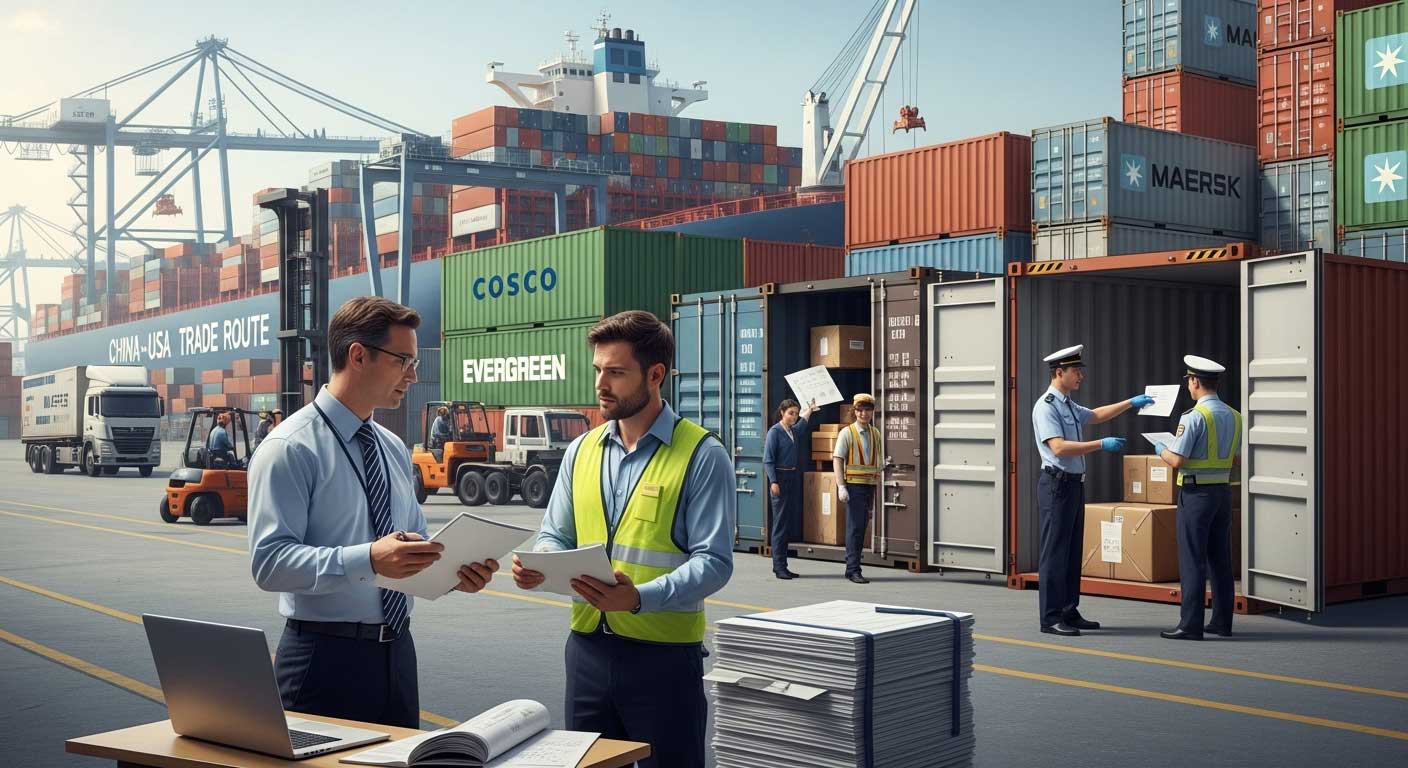
Common Reasons for Customs Delays from China to US
Understanding why shipments are delayed is crucial for any business importing from China. By identifying common problems, you can take proactive steps to Avoid Customs Delays from China to US and ensure smooth China to US customs clearance.
| Common Cause of Delay | Description | Solution to Avoid Delay |
|---|---|---|
| Incomplete Documents | Missing or incorrect paperwork triggers holds | Double-check all documents before shipping |
| Incorrect HS Codes | Leads to inspections or penalties | Verify HS Codes with a customs broker |
| Wrong Valuation of Goods | Misdeclared value causes delays | Declare accurate and real value |
| Restricted Products | Require special permits | Check FDA / FCC / EPA rules |
Incomplete or Incorrect Documentation
One of the most frequent causes of delays is missing or inaccurate documents. This includes commercial invoices, packing lists, and bills of lading. Even small errors can trigger inspections or hold ups. To prevent delays, always double check that all paperwork is complete and accurate before shipment.
Incorrect Valuation of Goods
Misreporting the value of goods, whether intentional or accidental, can result in customs fines or shipment delays. Accurate valuation is essential for compliance with US customs regulations and proper duty calculation. Using the correct HS Codes and verifying declared values helps Avoid Customs Delays US.
Specific Restrictions and Prohibitions
Certain products are subject to strict US import restrictions, including food items, chemicals, electronics, and pharmaceuticals. Failure to comply with these regulations can lead to rejected shipments or prolonged inspections. Understanding product-specific rules is a critical part of China shipping customs tips.
Importance of Identifying Issues Early
Recognizing potential problems in advance allows importers to address them proactively. Reviewing documents, confirming product classifications, and working with experienced customs brokers can significantly reduce the risk of delays and ensure timely delivery.
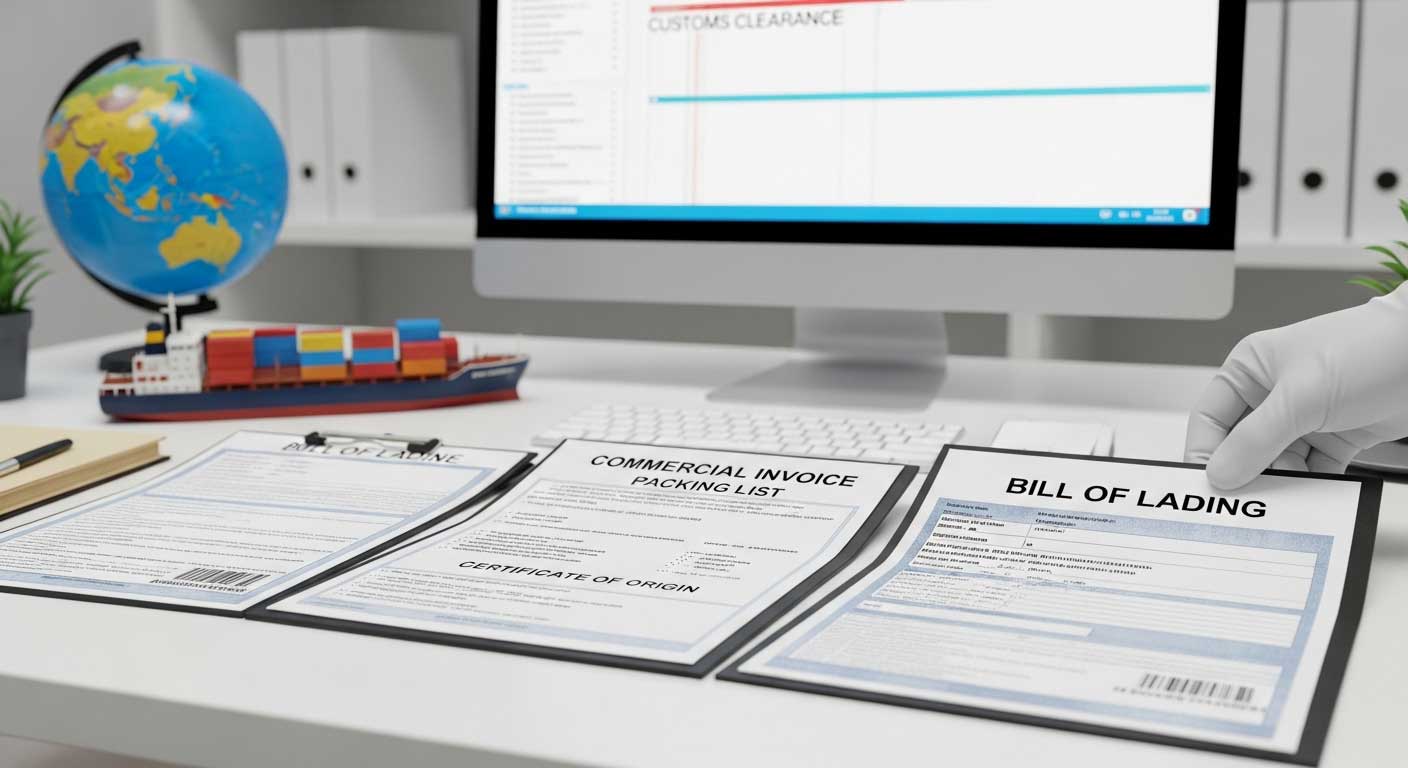
Essential Documents for Import from China to USA
Having the right documents is crucial for a smooth Import from China to USA process and to Avoid Customs Delays from China to US. Missing or incorrect paperwork is one of the main reasons shipments are held at customs.
| Document | Purpose | Key Notes |
|---|---|---|
| Commercial Invoice | Declares value and product details | Must be accurate and complete |
| Packing List | Shows package contents | Include weight, dimensions, quantities |
| Certificate of Origin (COO) | Confirms manufacturing country | Needed for correct duty calculation |
| Bill of Lading / Airway Bill | Proof of shipment | Must match invoice & packing list |
| Permits & Licenses | For restricted goods | FDA, FCC, EPA depending on product |
Key Documents Required
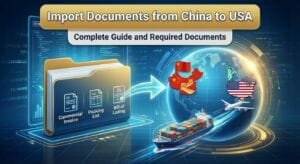
To ensure proper China to US customs clearance, you should prepare the following essential documents:
- Commercial Invoice: Details the value, quantity, and description of the goods. Accurate invoicing helps prevent misvaluation issues.
- Packing List: Provides information about the contents, dimensions, and weight of each package. This helps customs verify shipments efficiently.
- Certificate of Origin (COO): Confirms the country of manufacture, which is required for duty calculation and trade compliance.
- Bill of Lading (B/L) or Airway Bill (AWB): Serves as proof of shipment and contract between the shipper and carrier.
- Other Permits or Licenses: Depending on the product, additional certificates may be required, such as FDA approval for food or pharmaceuticals, or FCC certification for electronics.
China Shipping Customs Tips
To Avoid Customs Delays US, keep these tips in mind:
- Verify all documents for accuracy before shipping.
- Ensure that product descriptions match the actual goods and HS Codes.
- Send digital copies of documents to your customs broker or freight forwarder in advance.
- Keep all original documents organized and ready for inspection upon arrival.
How a Freight Forwarder Can Help Avoid Customs Delays
Working with an experienced freight forwarder can make a significant difference in ensuring smooth China to US customs clearance and helping businesses Avoid Customs Delays from China to US. Freight forwarders act as intermediaries between importers, carriers, and customs authorities, providing expertise that simplifies the import process.
Role of Freight Forwarders in Expediting Clearance
| Option | Advantages | Disadvantages |
|---|---|---|
| Self-Clearance | Lower overall cost | Higher risk of delays and errors |
| Customs Broker | Faster and more accurate | Requires paying service fees |
- Freight forwarders are skilled in navigating complex US import regulations from China. Their role includes:
- Preparing and reviewing all necessary shipping and customs documents to prevent errors.
- Advising on correct HS Codes and product classifications to avoid misvaluation issues.
- Coordinating with customs brokers and authorities to address potential issues proactively.
Services That Help Avoid Customs Delays US
To further Avoid Customs Delays US, freight forwarders offer a range of services:
- Documentation Management: Ensuring invoices, packing lists, and certificates are accurate and complete.
- Customs Brokerage Support: Collaborating with licensed customs brokers to clear shipments efficiently.
- Shipment Tracking: Providing real-time updates and alerting clients to any customs issues.
- Compliance Guidance: Offering advice on regulatory requirements and restricted products to prevent shipment holds.
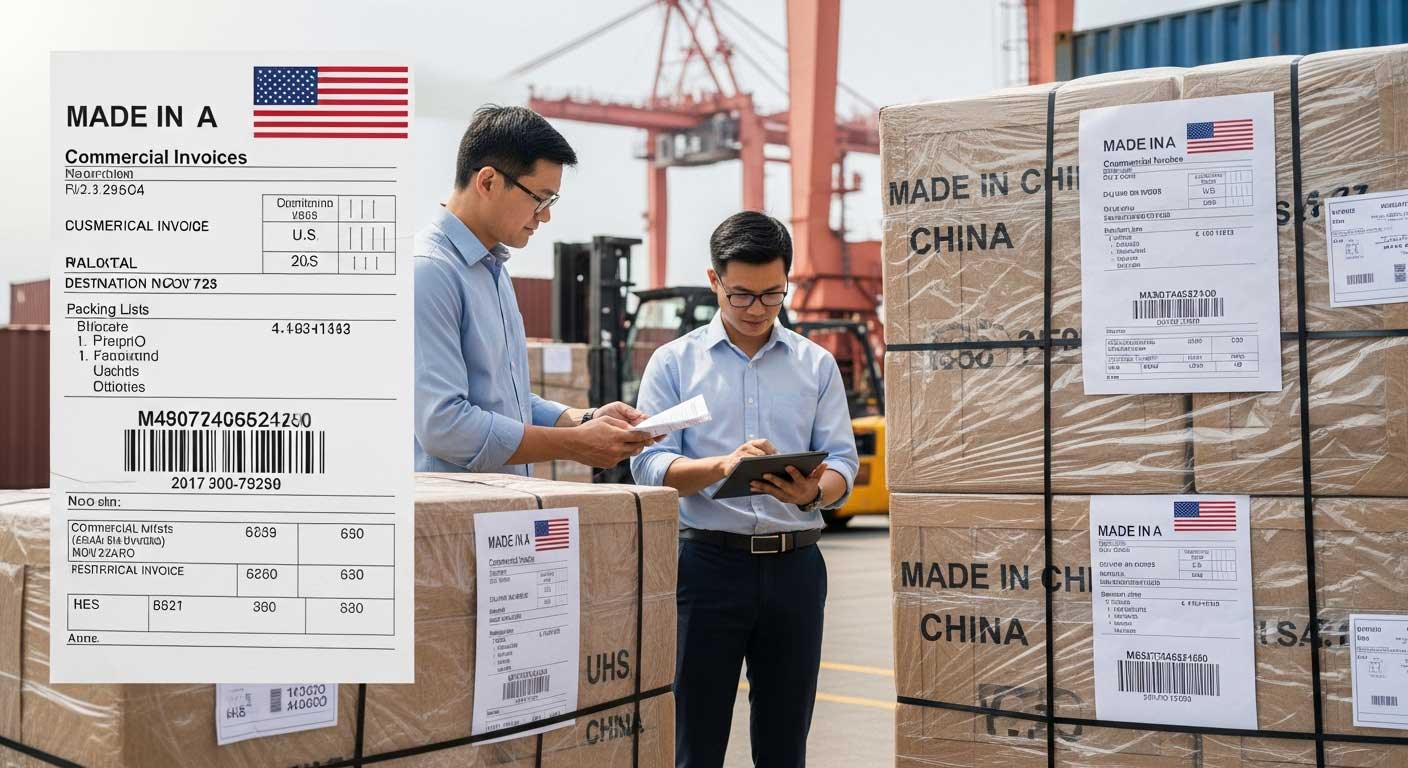
Tips for Smooth China to US Customs Clearance
Ensuring a smooth China to US customs clearance is essential for timely delivery and to Avoid Customs Delays from China to US. Proper preparation, accurate documentation, and proactive communication can prevent common delays and streamline the import process.
Proper Product Labeling
Correct labeling of goods helps customs officers identify shipments quickly and reduces inspection time. Key points include:
- Clearly indicate product name, quantity, weight, and country of origin.
- Ensure labels match the details on the commercial invoice and packing list.
- Use durable labels that withstand handling and transport.
Using Accurate HS Codes
Using the correct HS (Harmonized System) Codes for each product is critical for proper duty calculation and compliance with US regulations. Incorrect codes can trigger inspections or fines. Importers should:
| Product Type | Example HS Code | Important Note |
|---|---|---|
| Small Electronics | 8517… | Often requires FCC approval |
| Apparel & Clothing | 61.. / 62.. | Material and weight matter |
| Industrial Parts | 84.. | Sub-codes must be checked carefully |
| Food & Edibles | 20.. / 21.. | FDA compliance required |
- Verify HS Codes with reliable sources or their customs broker.
- Ensure consistency between invoices, packing lists, and shipping documents.
Continuous Communication with Customs and Suppliers
Maintaining regular communication helps prevent delays and resolve issues quickly. Effective practices include:
- Keeping in touch with your freight forwarder and customs broker for updates.
- Informing suppliers of documentation requirements and shipping procedures.
- Responding promptly to requests for additional information from customs authorities.
Practical Techniques to Avoid Customs Delays from China
| Time Period | Reason for Delays | Recommendation |
|---|---|---|
| Before Chinese New Year | Factories shut down; backlog | Plan 1 month earlier |
| Pre-Christmas Season | High import volume | Book shipments in advance |
| US National Holidays | Limited workforce | Increase communication with broker |
- Review all shipping documents before dispatch.
- Send digital copies to your customs broker in advance.
- Plan shipments ahead of peak seasons or holiday periods.
- Work with experienced freight forwarders and customs brokers for guidance.
Final Thoughts
Importing goods from China to the USA can be complex, but understanding US import regulations from China is the first step to success. Accurate documentation, proper HS Codes (harmonized system code) , and correct labeling are essential to Avoid Customs Delays from China to US. Working with experienced freight forwarders and customs brokers can streamline China to US customs clearance. Proactive communication with suppliers and customs authorities helps prevent unexpected delays. By following these steps, businesses can ensure smooth, timely, and compliant shipments.
FAQ
How long does customs clearance usually take when importing from China?
The duration of China to US customs clearance varies depending on the type of goods, completeness of documentation, and port congestion. Typically, it can take anywhere from a few hours to several days for shipments to clear. Proper preparation helps Avoid Customs Delays from China to US.
Can I handle customs clearance myself?
Yes, importers can handle customs clearance themselves, but it requires a thorough understanding of US import regulations from China, accurate documentation, and compliance with all legal requirements. Many businesses prefer working with a customs broker to minimize risks.
What documents are mandatory for import from China?
Essential documents include the commercial invoice, packing list, certificate of origin, bill of lading (B/L) or airway bill (AWB), and any product-specific permits or licenses. Ensuring all documents are accurate and complete is key to Avoid Customs Delays US.
How can a freight forwarder speed up the process?
Freight forwarders help by preparing and reviewing documents, coordinating with customs brokers, advising on HS Codes, and tracking shipments. Their expertise ensures smoother China shipping customs clearance and helps businesses Avoid Customs Delays from China to US.
What are the most common reasons for customs delays?
Common causes include incomplete or incorrect documentation, misclassification or incorrect valuation of goods, and restricted or prohibited items. Identifying these issues early and following China shipping customs tips can prevent delays and ensure timely delivery.
How can I ensure all documents are correct?
Work with experienced freight forwarders or customs brokers, double-check all information, and refer to official resources such as the CBP Import Documents page
for guidance.